

Nephrology Clinic (kidney care)
The Royal Perth Hospital (RPH) Nephrology Department provides treatment and education for people with kidney disease and other renal disorders.
Patients are referred to us from within RPH, from the community or transferred from other hospitals.
Our clinics are staffed by consultant physicians in nephrology, dialysis nurses, chronic kidney disease educators, social workers, pharmacists and Aboriginal Liaison Officers.
We understand that the transition period from the children’s hospital to the adult hospital can be a stressful time.
The Renal Clinic is a trial under the QRious project, supporting young people to transition from Perth Children's Hospital (PCH) to RPH.
Important information for our patients
- Please do attend your appointments – even if you think you haven’t been managing your kidney disease well recently. You won’t get into trouble. We want to support you to stay healthy!
- If you need to reschedule your appointment, phone 1300 855 275.
- Check what you need to bring to your appointment, including your medication list and date and location of your latest blood test.
- When you come to the clinic, you may need to wait before your doctor or nurse can see you.
The transition process
To enable a smoother transition process from Perth Children's Hospital to Royal Perth Hospital, we have two combined clinics a year - one at PCH and one at RPH.
- One clinic is held at PCH with your usual team and will be attended by your specialised kidney doctor.
- The second clinic is at RPH and your paediatric team will attend here with you. This allows you to familiarize yourself with your new team of doctors and nurses, ask questions and get an overview of the adult hospital.
Our goal is to work together with you to provide an easy transition to adult nephrology/kidney care.
Meet the Nephrology Team
Renal Consultants
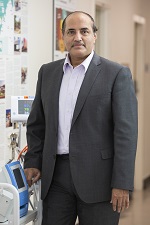 |
 |
 |
| Dr Khalil Patankar | Dr Barry Saker | Dr Mark Thomas |
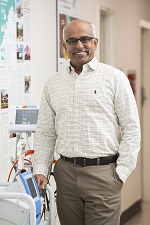 |
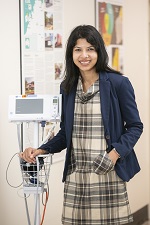 |
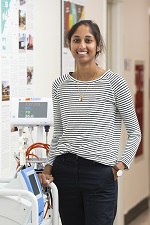 |
| Dr Hemant Kulkarni | Dr Anoushka Krishnan | Dr Reva Manickavasagar |
Renal Nurses (chronic kidney disease/dialysis/transplant)
- Ms Rebecca Bartlett, Nurse Practitioner (chronic kidney disease/hemo-dialysis)
- Ms Monique Sandford, Nurse Practitioner (chronic kidney disease/vascular access)
- Ms Juanita Starmer, Clinical Nurse (vascular access)
- Mr Douglas Crawford, Clinical Nurse (chronic kidney disease/peritoneal dialysis/Fabry disease)
- Ms Denise Fallon, Clinical Nurse (chronic kidney disease/kidney transplant)
- Ms Maria Martin, Clinical Nurse (chronic kidney disease/kidney transplant)
- Ms Melanie McNiece, Haemodialysis Nurse Unit Manager
We have a team of nurses who can help you with lots of different parts of your kidney care. Depending on the stage of your kidney disease, you may meet various people on your journey.
Usually, your nephrologist will request for you to meet a nurse educator when your kidney function is around 15-20ml/min. This will be a one-on-one session where you will be given education on the various types of treatments available for kidney disease. The final decision about your treatment will be made by you together with your nephrologist.
At RPH, we also have kidney transplant coordinators and if you are being considered for a kidney transplant then they will work closely with you. It is important to be in contact with these team members as needed. You can do this either via telephone or via email.
You might be told you need to get a blood test or get blood work done.
If you choose to have your blood tests done at RPH, you can go to Pathwest on Level 3 in Goderich Street (this is the same building as our clinic).
Otherwise you can also choose to get your blood work done somewhere else. There are several PathWest centres around the city. PathWest would be our preferred laboratory. However, if you are unable to access a PathWest lab or would like to go somewhere else, then you can have your blood work done at Western Diagnostics, Clinipath or Australian Clinical Labs.
Please do make a note of where you get your tests done. It might be a good idea to take a photo of the sign or their logo if you think you might forget. This means we can easily find your results. This will enable us to have a useful discussion about your kidney health and your treatment options.
If you have been asked to have blood work done, do try to have your blood tests done in time for your next appointment, ideally a few days before. This is so your results are ready for us to discuss when we meet you in clinic.
It is important for you to take your medications as prescribed by your specialists. We understand that there may sometimes be some barriers to this. We are here to help you and your family work through this and find solutions that work for you.
If you forget to take your medications sometimes, you may find that using a pill reminder app on your phone may help (e.g. Medisafe Pill reminder app that can be downloaded to your phone).